
A Mechanical Ventilation Mastery Workshop for Emergency Department Staff

You can’t control what comes into your Emergency Department, but you can prepare for it!
The Advanced Ventilator Life Support™ course for Emergency Departments is designed to enhance the knowledge and confidence of healthcare professionals caring for patients requiring mechanical ventilation in the ED.
The course emphasizes strategies to prevent unnecessary intubation, the importance of early optimization of invasive mechanical ventilation, cross-disciplinary collaboration, prevention of ventilator-induced lung injury, and evidence-based efforts to improve patient outcomes.
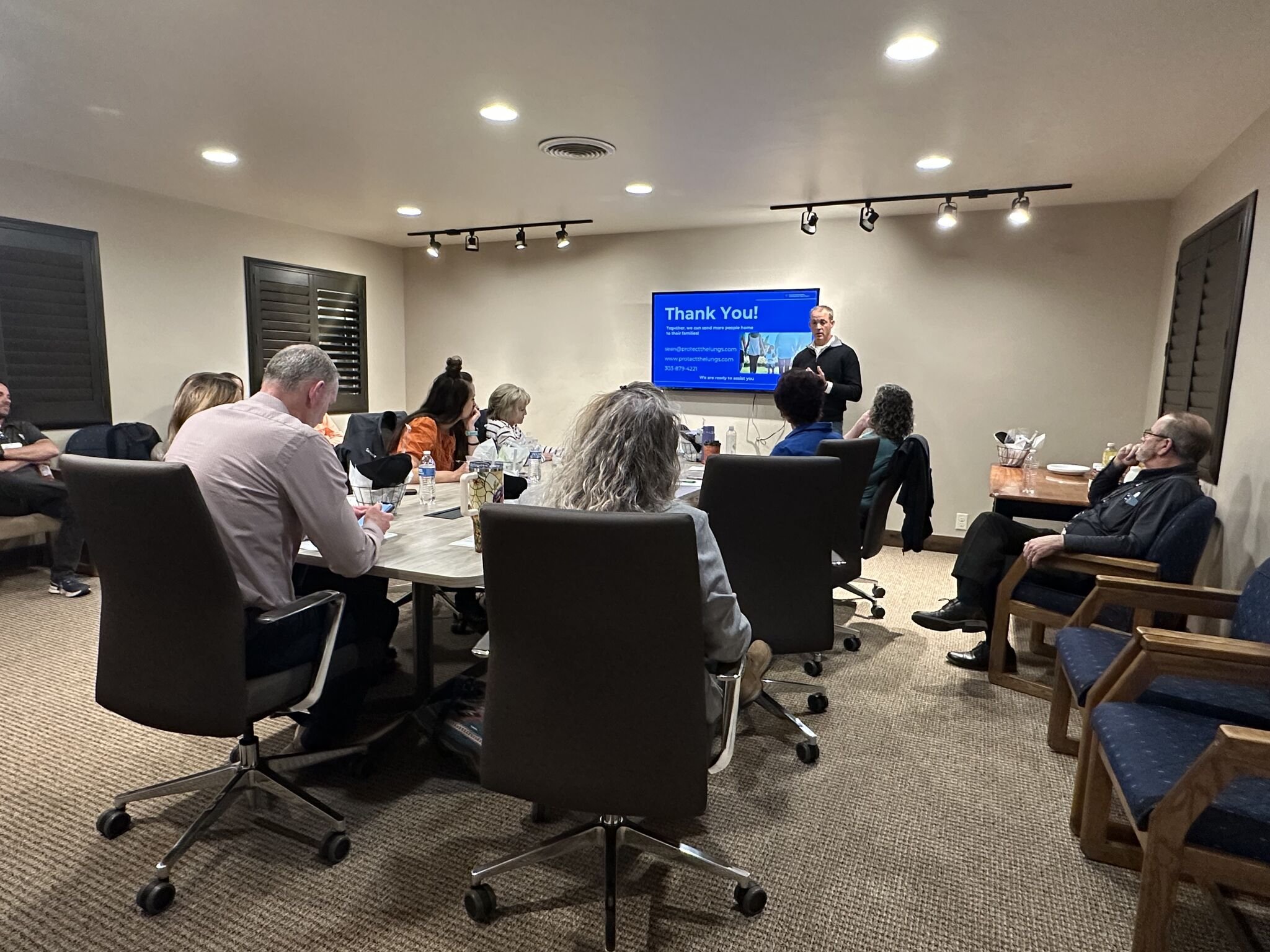
Through a combination of interactive lectures, case-based discussions, and hands-on simulation, participants will deepen their understanding of the latest evidence-based practices of mechanical ventilation.
We don’t just teach mechanical ventilation.
We engineer meaningful change.
Our workshops have been correlated with:
Improve clinician confidence and team communication.
Preventing unnecessary intubations.
Optimized mechanical ventilation parameters earlier.
Shorter ICU days and total hospital length of stay.
Reduced ventilator-related sentinel events.
Reduced costs.
Improved patient and family feedback scores.
The Definitive Workshop for Mechanical Ventilation Training for Emergency Departments.
Target Audience
From Rural Clinics, Critical-Access Hospitals, and Free Standing EDs, to Community Hospitals and Tertiary Care Facilities, this workshop is designed for Paramedics, Nurses, RTs, PAs, NPs, and Physicians working in the Emergency Department with limited experience in managing mechanical ventilators.
Workshop Includes
Basic Ventilator Life Support (BVLS) is included with workshop registration.
2-day in-person course includes:
Interactive hands-on application of skills
Practical scenarios are designed to challenge learners to think critically, solve problems, and apply what they’ve learned.
The workshop is tailored to your specific equipment and protocols.
16 hours of continuing education credit
Upon successful completion of the workshop, students will receive a certification of completion, valid for 3 years.
Workshop Requirements
Participants must hold a current healthcare license to attend.
Completion of the online Basic Ventilator Life Support (BVLS) course prior to the workshop is highly encouraged.
* Students must attend the entire workshop to receive credit.
Workshop covers…
Effective Delivery of Non-Invasive Ventilation (HFNC / CPAP / BPAP)
Managing Endotracheal Tubes / Tracheostomies / Cricothyrotomies / Supraglottic Devices
Patient Management
Principles of Lung Protection Ventilation
Optimizing Oxygenation and Ventilation
Obstructive and Restrictive Physiology
Post Cardiac Arrest / Neuro Protection
Initiating Mechanical Ventilation
Breath Types, Vent Settings, Alarms, Triggers, and Limits, including
Pressure vs. Volume Control
Tidal Volume, Respiratory Rate, PEEP, FiO2, Flow, Driving Pressure, Mechanical Power
Basic and Advanced Modes of Mechanical Ventilation:
Pressure Support, Assist Control, SIMV, PRVC, Adaptive Modes, IRV, APRV
Basic and Advanced Patient Monitoring and Troubleshooting, including
Blood Gases, SpO2, EtCO2
Scalar Graphs and Loops
Troubleshooting / Ventilator Alarms
Preparing the Patient for Transport
ED Boarding of the Vented Patient
Will introduce
Use of Lung Ultrasound for Patient Assessment
Volumetric Capnography
Electrical Impedance Tomography
Negative Pressure Biphasic Curass Ventilation


Workshop Fees: $7500*
Includes all travel expenses.
The maximum class size depends on the available equipment and the size of the training space.
*Classes that require additional days or are held outside the continental US may incur an additional fee.